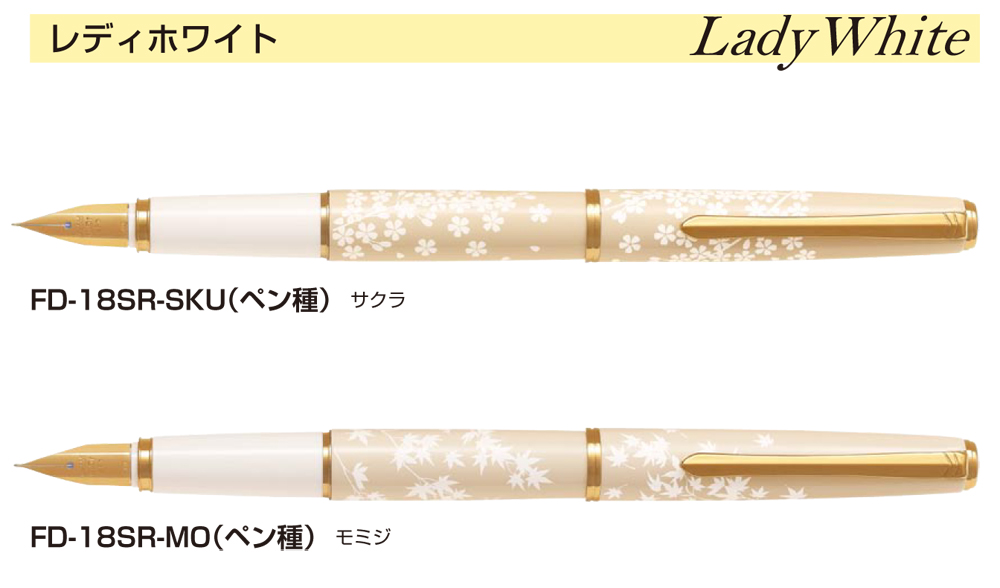
3,764 JPY

( US$ 23.65 /  UK£ 17.76 /  EUR 20.55 /  A$ 33.48 /  C$ 32.34 )

Standard Shipping: 1,250 JPY for Europe
Expedited Shipping: 3,150 JPY for Europe

4,085 JPY

( US$ 25.67 /  UK£ 19.27 /  EUR 22.31 /  A$ 36.33 /  C$ 35.10 )

Standard Shipping: 1,250 JPY for Europe
Expedited Shipping: 3,150 JPY for Europe

J-Subculture News
Japanese Cute Washi Tapes!
Washi paper was first made in Japan, it's usually made using fibers from the bark of a specific Japanese tree called "gampi," the paper mulberry, or the "Mitsumata" bush. It can also be made using other materials like wheat, hemp, bamboo, or rice, and its name means "Japanese paper," this term is used to describe the paper made by hand. This paper is used for making the Washi Tapes, they're cute, they're Japanese, and they're perfect for decor or packaging. Due to this material, they'
For an unforgettable journey! -...
You behold a beautiful scenery that leaves deep impressions, sit in a coffee shop to unwind from a busy sightseeing tour through the city or a philosophic moment comes to as you wait at a remote railway station, with MIDORI's Travel's Notebook series you may capture the essence of those very moments and make it an unforgettable memory. The notebooks come in two, brown and black, respective three colors, the 2015 limited blue edition, and two size formats, regular and passport. The starter
DISNEY Stained Glass Art Puzzle...
For products, scroll down to the bottom ↓ The peculiarity of this pretty puzzle series by TENYO of DISNEY characters is that the pieces are made in the way that they look like stained glass. The bright and full colors let the puzzle stones appear as if they were sparkling jewels. As you join together piece after piece the characters take form and a beautiful picture spreads out in front of you. After the artwork is completed, all pieces tightly fitted in their places,
Furikake!
Furikake is a Japanese topping which usually is a mixture of dried tuna, sesame seeds, salt, sliced or seasoned seaweed, etc. Furikake is mainly used to sprinkle over steamed rice and noodles, but it is also used for salads, soups, pasta, and sushi rolls. Here it goes a brief history… Around 1912, a pharmacist called Mr. Suekichi Yoshimaru of Futaba, came up with the idea to make a product with ground fish bones to compensate for a lack of calcium in the Japane