3,255 JPY

( US$ 20.49 /  UK£ 15.17 /  EUR 17.59 /  A$ 28.55 /  C$ 28.28 )

Standard Shipping: 990 JPY for Europe
Expedited Shipping: 3,150 JPY for Europe

19,328 JPY

( US$ 121.65 /  UK£ 90.07 /  EUR 104.47 /  A$ 169.50 /  C$ 167.91 )

Standard Shipping: 1,230 JPY for Europe
Expedited Shipping: 3,150 JPY for Europe

J-Subculture News
Midori CL, colorful & compact s...
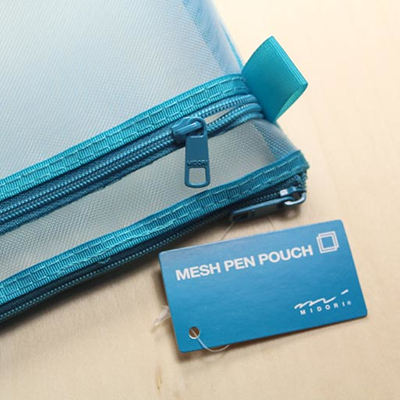
Japanese stationery companies have the capacity to take those well-known stationery goods, and transform them without modifying their usability. They’re capable to create ordinary stationery goods which seem to be totally new by just adding little modifications to the key idea, developing brand-new products that everyone know how to use. Midori is one of those Japanese stationery bands who focus their developments efforts towards this idea, brand new well-known useful stationery products.
Anpanman Plush Dolls!
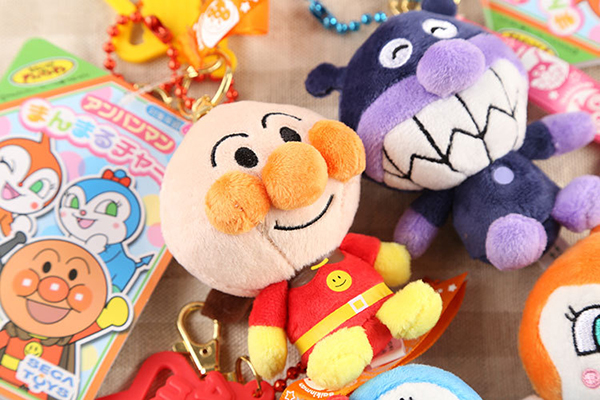
Your child is sleepy… he or she needs to go to bed, but he won’t fall asleep if he doesn’t have with himself a particular, close and spongy friend. He doesn’t want any kind of plushy doll… he has the perfect friend already, and its name is Anpanman! And what your child needs is an Anpanman sweet and plushy doll!! Every cute and super funny Anpanman characters are perfectly well designed in order to be perfect to huge… your kids they are going to love them! Soft, sweet, all this mushy puppetts
Cheers to Green Tea!
緑茶 (ryokucha) or Japanese green tea, is the top kind of tea that is consumed in Japan. There are many known health benefits from drinking green tea. For a beautiful life, drinking green tea is highly recommended, compared to its other tea counterparts. What is green tea made of though? And how is drinking green tea good for you? Let us at J-Subculture elaborate. Japanese green tea is made from the plant, チャノキ (chanoki), or Camellia sinensis. The image above is a picture of the flowers of
Furikake!
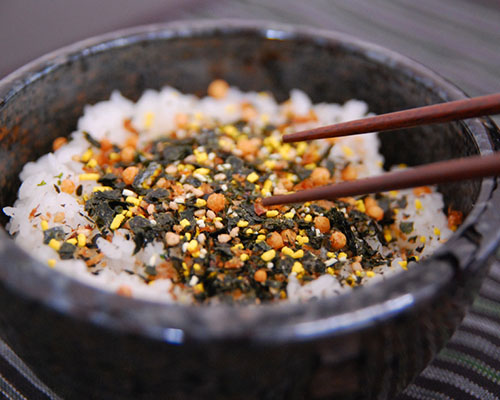
Furikake is a Japanese topping which usually is a mixture of dried tuna, sesame seeds, salt, sliced or seasoned seaweed, etc. Furikake is mainly used to sprinkle over steamed rice and noodles, but it is also used for salads, soups, pasta, and sushi rolls. Here it goes a brief history… Around 1912, a pharmacist called Mr. Suekichi Yoshimaru of Futaba, came up with the idea to make a product with ground fish bones to compensate for a lack of calcium in the Japane